Our goal is to leverage UW–Madison’s world-class PFAS research and campus capabilities to build partnerships with industry, utilities, national laboratories, regulators, and communities that lead to environmentally and socially sustainable, high-impact solutions for PFAS contamination and policy-relevant decision-making.
New PFAS Working Group launches with fall workshop
PFAS research, policy, and engagement efforts continue to grow at a rapid pace on campus. From laboratories and field sites to classrooms and communities, this broadening scope serves as a strength for academia and natural resource management partners. But that growth can also provide challenges to partner collaboration, research coordination and in seeking new and fast-approaching funding opportunities.
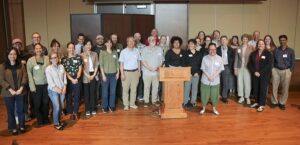
A newly established UW-Madison PFAS Working Group and PFAS Expert Database were formed to help address that challenge by improving visibility, coordination and collaboration around PFAS work.
Both the database and working group are part of an initiative co-led by the Sustainability Research Hub under the Office of the Vice Chancellor for Research established to work across disciplines, align UW–Madison strengths and co-develop ideas to help fund research with real-world impacts. Other working groups include Data Centers, Critical Minerals & Materials and Food is Medicine.
On Sept. 16, the group hosted its first interactive PFAS Collaboration Workshop for UW–Madison faculty and research staff focused on connection, shared learning and shaping the working group’s future path. The workshop brought together participants representing 29 distinct academic, research, administrative and external units, demonstrating broad interdisciplinary engagement across UW–Madison and state partners.
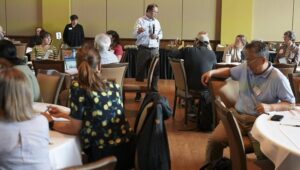
The workshop, co-led by the UW–Madison Aquatic Sciences Center (ASC), included overviews of the current PFAS funding landscape, including federal, state and community‑engaged opportunities, but most of the session involved structured conversations with colleagues from across disciplines.
“The workshop was designed to be participatory and forward‑looking,” said ASC Director Chirsty Remucal. “Through facilitated networking and small-group discussions, participants identified shared interests and help us shape a PFAS Working Group that we hope will meet the needs of the campus community.”
PFAS stands for per- and polyfluroalkyl substances and are part of a large family of “forever” chemicals that break down very slowly and therefore persist for long periods in the environment. PFAS research has shown the chemicals are linked to various health effects in humans and animals.
The Working Group aims to build on the momentum generated by the kickoff meeting to foster interdisciplinary collaboration, advance PFAS research, and identify opportunities to address the environmental and public health challenges associated with these persistent chemicals.
PFAS Working Group Members
In the section below, search and filters appear first, followed by a list of faculty and staff. When a search term is entered into the search input field or a filter is selected, the list of faculty/staff automatically updates to match the search term and/or selected filters.
Filter Results
Faculty Staff List
Nothing matched the filters you selected.
Matthew Blum
Credentials: Faculty
Position title: School of Medicine and Public Health
Email:
mblum
Louise Davies
Credentials: Visiting Faculty
Position title: School of Medicine & Public Health
Email:
louise.davies

Gavin Dehnert
Credentials: Academic Staff
Position title: Aquatic Sciences Center
Email:
dehnert2
Holly Gibbs
Credentials: Faculty
Position title: Nelson Institute for Environmental Studies
Email:
hkgibbs
David Lynn
Credentials: Faculty
Position title: Chemical & Biological Engineering
Email:
dlynn
Inna Popova
Credentials: Faculty
Position title: Agricultural & Life Sciences
Email:
ipopova
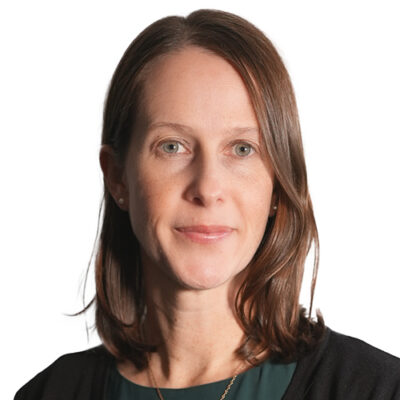
Christy Remucal
Credentials: Faculty
Position title: Civil and Environmental Engineering
Email:
remucal
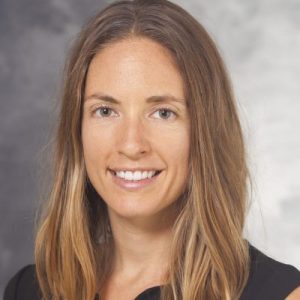
Amy Schultz
Credentials: Academic Staff
Position title: Department of Population Health Sciences
Email:
aaschultz4
Martin Shafer
Credentials: Academic Staff
Position title: Environmental Health Division
Email:
mmshafer
Bret Shaw
Credentials: Faculty
Position title: Life Sciences Communication; Division of Extension
Email:
brshaw
Manuel Teodoro
Credentials: Faculty
Position title: La Follette School of Public Affairs
Email:
mteodoro
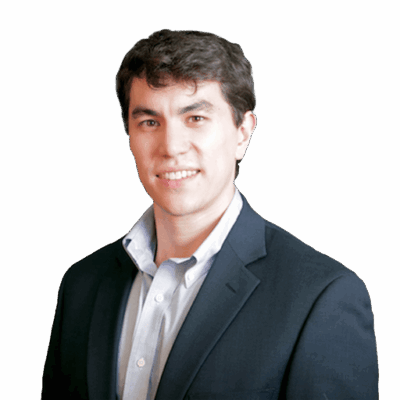
Reid Van Lehn
Credentials: Faculty
Position title: Chemical & Biological Engineering
Email:
vanlehn
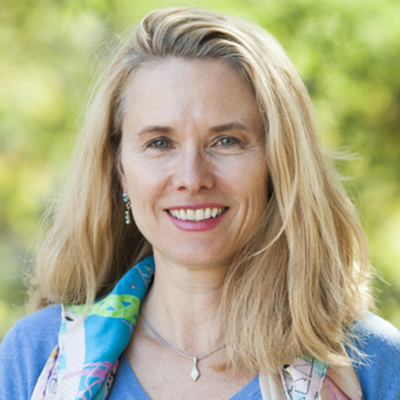
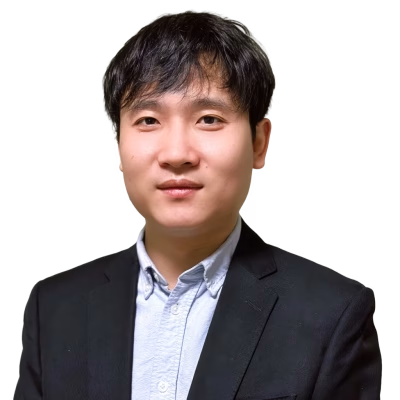
Haoran Wei
Credentials: Faculty
Position title: Civil and Environmental Engineering
Email:
haoran.wei3
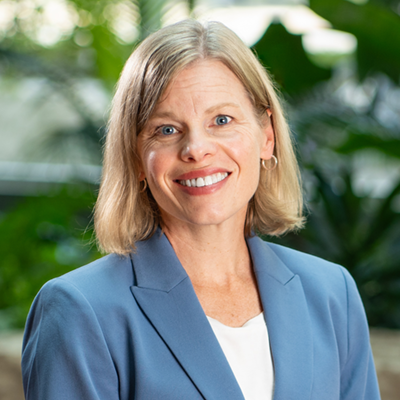
Amber Wichowsky
Credentials: Faculty
Position title: LaFollette School of Public Affairs
Email:
wichowsky